


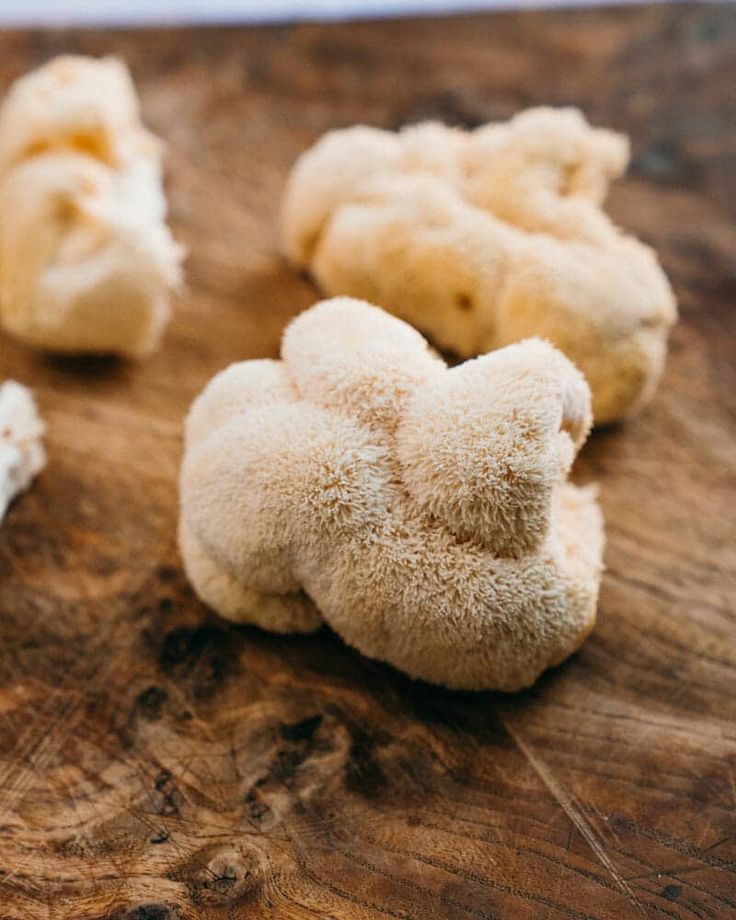
Lion’s Mane mushrooms are quickly gaining attention in kitchens around the world, and it is easy to see why. With their distinctive appearance, delicate flavour, and surprisingly meaty texture, they offer something completely different from more familiar mushroom varieties. Once considered a niche ingredient, they are now being embraced by both professional chefs and home cooks looking to experiment with new and exciting ways to cook.
What makes Lion’s Mane particularly appealing is its versatility. It can be the centrepiece of a dish, taking on roles that would traditionally be filled by meat or seafood, while still being simple to prepare. As more people become interested in ingredient-led cooking and exploring unique produce, Lion’s Mane is carving out a well-deserved place in modern kitchens.
What makes Lion’s Mane mushrooms so unique
Lion’s Mane mushrooms stand out immediately from other varieties. Instead of the typical cap and stem shape, they grow in soft, cascading clusters that resemble a pom pom or a mane, which is where the name comes from.
Their appearance is striking, but it is their texture that has really captured attention in the food world. When cooked, Lion’s Mane develops a tender, almost meaty consistency. Many people compare it to seafood, particularly crab or lobster, due to its delicate fibres and slightly sweet flavour.
This combination of texture and taste makes it incredibly versatile. It can be the centrepiece of a dish rather than just a supporting ingredient, which is one of the reasons it has become so popular with chefs looking to create plant-forward menus.
Why chefs and home cooks are embracing it
In recent years, there has been a shift towards more creative, ingredient-led cooking. People are increasingly interested in exploring new flavours and textures, especially those that offer something different from traditional meat or vegetable dishes.
Lion’s Mane fits perfectly into this trend. It allows cooks to experiment without needing complex techniques or hard-to-find ingredients. Its natural structure means it holds together well when sliced or torn, making it suitable for frying, roasting, or grilling.
Chefs often use it as a plant-based alternative in dishes that would traditionally rely on meat or seafood. At the same time, home cooks appreciate how simple it is to prepare. With just a bit of oil, heat, and seasoning, it can be transformed into something impressive.
Its growing popularity is also linked to a wider interest in specialty mushrooms. As more people discover varieties beyond standard supermarket options, ingredients like Lion’s Mane are becoming more accessible and better understood.
How to cook lion’s mane mushrooms
One of the best things about Lion’s Mane mushrooms is how easy they are to cook. Their natural texture does most of the work, meaning you can achieve great results with minimal effort.
A simple method is to slice the mushroom into thick pieces and pan-fry them over medium heat. As they cook, they release moisture, which then evaporates, allowing the edges to become golden and slightly crisp. Adding butter or oil towards the end helps enhance both flavour and texture.
Another popular approach is to tear the mushroom into chunks and roast it in the oven. This brings out a slightly nutty flavour and creates a firmer bite, making it ideal for salads or grain-based dishes.
For something more indulgent, Lion’s Mane can be battered and fried, creating a dish that closely resembles fried seafood. It is also excellent when shredded and used as a filling for tacos or sandwiches.
The key is not to overcomplicate it. Let the mushroom’s natural qualities shine through rather than masking them with heavy sauces or too many ingredients.
Flavour pairings that work particularly well
Lion’s Mane mushrooms have a mild, slightly sweet flavour, which makes them highly adaptable. They pair well with a wide range of ingredients, allowing you to experiment depending on the dish you want to create.
Simple combinations often work best. Garlic, butter, and fresh herbs such as thyme or parsley can elevate the flavour without overpowering it. A squeeze of lemon can also add brightness and balance.
For richer dishes, pairing Lion’s Mane with cream-based sauces or cheese can create a comforting, indulgent meal. Alternatively, combining it with soy sauce, ginger, and sesame oil brings out a more savoury, umami profile.
Because of its seafood-like qualities, it also works well in dishes where you might traditionally use fish or shellfish. This opens up a wide range of creative possibilities for both everyday cooking and more refined meals.
Bringing restaurant-quality ingredients into your kitchen
One of the most exciting aspects of ingredients like Lion’s Mane is that they allow home cooks to recreate restaurant-style dishes at home.
Not long ago, this type of mushroom was difficult to find outside of specialist suppliers. Now, it is becoming more widely available, making it easier for people to experiment with something new.
Using high-quality produce is key to getting the best results. Freshness has a noticeable impact on both texture and flavour, which is why sourcing from a reliable grower makes a difference.
If you are looking to try it yourself, fresh Lion’s Mane is available online at Merit Mushrooms, offering a convenient way to experience this unique ingredient at home.
A growing interest in specialty mushrooms
The rise of Lion’s Mane reflects a broader shift in how people approach food. There is a growing curiosity around ingredients that are less familiar but offer something distinctive.
Specialty mushrooms are a big part of this trend. They provide new textures, flavours, and cooking opportunities that go beyond traditional options. At the same time, they fit well within modern approaches to eating, whether that involves reducing meat consumption or simply exploring more diverse ingredients.
This interest is also being driven by social media and food culture, where visually striking ingredients like Lion’s Mane naturally stand out. Its unusual appearance makes it instantly recognisable, helping to spark curiosity and conversation.
As more people discover how versatile and enjoyable it is to cook with, it is likely to become a staple in more kitchens.
Simple ways to get started
If you are new to Lion’s Mane mushrooms, the best approach is to keep things simple. Start with a basic recipe that allows you to understand its texture and flavour before moving on to more complex dishes.
Pan-frying is often the easiest entry point. Slice the mushroom, cook it slowly, and pay attention to how it changes as it heats. This will give you a feel for how it behaves and what makes it unique.
From there, you can experiment with different cooking methods and flavour combinations. Try adding it to pasta, using it as a topping for toast, or incorporating it into a stir-fry.
The more you cook with it, the more confident you will become in using it in different ways.
Why lion’s mane is here to stay
Food trends come and go, but some ingredients have staying power because they offer something genuinely different. Lion’s Mane mushrooms fall into this category.
They are not just visually interesting. They bring a new texture, a versatile flavour, and a sense of creativity to cooking. They allow both chefs and home cooks to think differently about what a dish can be.
As interest in high-quality, ingredient-led cooking continues to grow, Lion’s Mane is likely to remain a popular choice. It represents a shift towards exploring new possibilities in the kitchen, while still keeping things simple and approachable.
For anyone looking to expand their cooking and try something new, it is an ingredient well worth discovering.
