


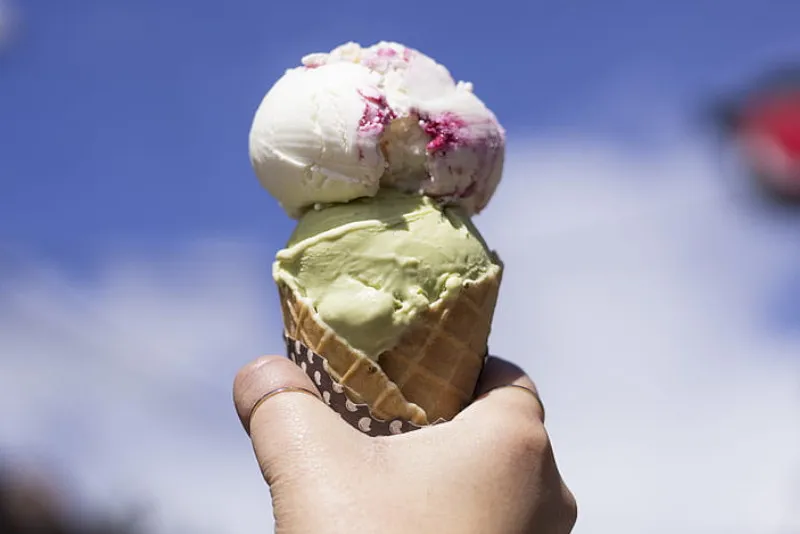
Ice cream gets judged fast, probably faster than most foods. Someone opens the lid, looks once, and already decides if it feels rich, fruity, creamy, or a little strange. That first look matters more than brands sometimes admit. Good ice cream colors help the product feel right before the spoon even touches it. The shade has to match the flavor idea, the texture, and the mood of the product. If it misses, even slightly, the whole tub can feel less appealing for no obvious reason.
Color in frozen desserts is never just decoration.
A lot of people talk about color as if it were some small finishing touch. It really is not. In frozen desserts, color helps explain the flavor before the first bite happens. Mango should look warm. Vanilla should look soft and calm. Banana usually needs a creamy yellow tone that feels natural. That is where yellow food coloring becomes useful in a very practical way. It adds warmth without forcing the product into a shade that looks too bright or too artificial.
Frozen bases change how color actually looks.
This part gets overlooked all the time. A shade that looks strong in liquid form can turn softer once it goes into an ice cream mix. Milk solids, fat, air, and freezing all affect the final appearance. So choosing ice cream colors is not only about what looks nice on a sample card. It is about what still looks good after blending, freezing, storing, and scooping. That is why color testing inside the real base matters more than people first expect.
Yellow can go wrong faster than people think.
Yellow sounds simple, but it can be tricky. Too little color and the product looks flat or weak. Too much color and it starts feeling fake in one glance. A balanced yellow food coloring should support the flavor idea, not overpower it. Custard styles, mango, pineapple, banana, butterscotch, and saffron-inspired frozen desserts often need warmth, though not the kind that looks neon. In most cases, softer yellow works harder than louder yellow, especially in premium-looking ice cream lines.
Flavor cues depend heavily on the visual tone.
People connect color with flavor without even thinking about it much. A pale cream shade suggests vanilla or milk. A warm yellow hints at tropical fruit or dessert richness. That is why ice cream colors are tied closely to product identity. If the shade feels off, the flavor expectation also starts feeling off. A small mismatch creates confusion. Good product teams know this already. They do not just pick a nice color. They pick the one that helps the frozen dessert make visual sense immediately.
Consistency matters more than one beautiful batch.
This is where things get serious for actual production. One perfect trial batch means very little if the next batch turns duller or slightly stronger. Customers remember how a flavor is supposed to look. They may not say it clearly, but they still notice changes. Reliable yellow food coloring helps frozen dessert brands keep that familiar appearance across repeat production. The best ice cream colors are not only attractive once. They stay attractive in a steady way, batch after batch, season after season.
Conclusion
Frozen dessert color should never feel like an afterthought because it shapes the first impression before texture and flavor get their chance. On foodrgb.com, businesses can explore practical color options with more attention to frozen application needs, visual consistency, and shades that fit modern dessert lines. Well-chosen ice cream colors help products look more believable, more appealing, and more aligned with the flavor story on the label. The right yellow food coloring also adds warmth where needed without pushing the product too far. Review your formulation carefully and choose color solutions that truly support your
