


Modern construction projects are becoming increasingly complex, requiring greater precision, speed, and cost control. One of the most transformative technologies helping the industry meet these demands is machine control construction. By integrating digital design data with GPS, sensors, and automated machinery, contractors can complete large projects faster and more accurately. How Machine Control Construction Improves Efficiency on Large Projects is becoming a key topic in the construction and engineering industries as companies seek smarter ways to manage time, resources, and budgets.
Understanding Machine Control Construction
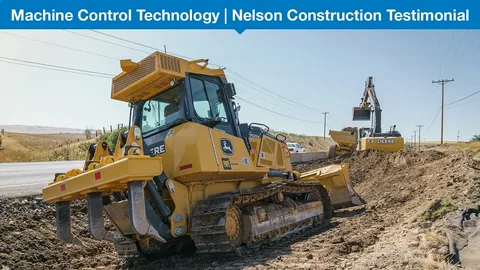
Machine control construction refers to the use of advanced positioning systems, software, and sensors to guide heavy construction equipment such as bulldozers, excavators, and graders. These systems rely on digital terrain models and satellite positioning to ensure machines operate with precise accuracy.
Instead of relying solely on manual measurements and traditional surveying methods, operators can follow digital plans displayed inside the machine’s cabin. This automated guidance allows equipment to perform tasks like grading, digging, and leveling with minimal rework and reduced human error.
Faster Project Completion
One of the main reasons How Machine Control Construction Improves Efficiency on Large Projects is widely discussed is its ability to significantly reduce project timelines. Traditional construction processes often involve repeated surveying, manual staking, and corrections during earthmoving operations.
With machine control systems, construction equipment follows the exact design coordinates in real time. This eliminates many intermediate steps, allowing crews to work faster while maintaining accuracy. As a result, large infrastructure projects such as highways, airports, and commercial developments can be completed in a shorter timeframe.
Improved Accuracy and Reduced Rework
Accuracy is critical in large-scale construction projects. Even small grading errors can lead to costly delays and additional material usage. Machine control technology ensures that equipment follows the exact design specifications, minimizing mistakes.
Because the machines operate according to digital models, the chances of overcutting or undercutting are significantly reduced. This precise operation helps contractors maintain consistent grading levels and structural foundations, which ultimately improves the overall quality of the project.
Better Resource and Cost Management
Another reason How Machine Control Construction Improves Efficiency on Large Projects is gaining attention is its impact on resource management. By reducing rework and improving accuracy, contractors can significantly lower fuel consumption, material waste, and labor costs.
Machine control systems also allow project managers to monitor progress more effectively. Data collected from equipment can be used to track productivity, identify inefficiencies, and optimize workflows. This level of insight helps construction companies make smarter decisions and stay within budget.
Enhanced Safety on Construction Sites
Large construction sites can present significant safety risks for workers. Machine control systems help reduce these risks by minimizing the need for manual staking and ground surveying in hazardous areas.
Operators receive real-time guidance directly from the machine interface, reducing the need for workers to be near heavy equipment. This technology creates a safer working environment while maintaining high productivity levels.
The Future of Machine Control in Construction
As digital technologies continue to evolve, machine control construction will play an even greater role in modern infrastructure development. Integration with technologies like 3D modeling, Building Information Modeling (BIM), and real-time data analytics will further enhance efficiency and accuracy.
Understanding How Machine Control Construction Improves Efficiency on Large Projects is essential for construction companies aiming to remain competitive in a rapidly advancing industry. By adopting machine control systems, contractors can improve productivity, reduce costs, and deliver projects with greater precision.
Conclusion
Machine control construction is transforming the way large projects are executed. From faster project timelines and improved accuracy to better cost control and enhanced safety, the benefits are substantial. As more construction firms adopt this technology, the industry will continue moving toward smarter, data-driven project management that maximizes efficiency and performance.
