


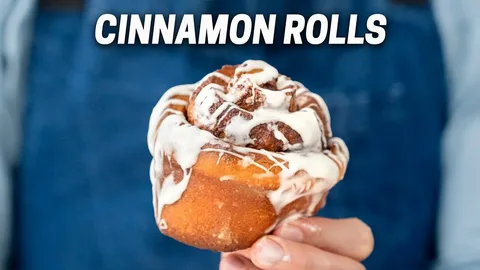
Few baked goods have achieved the global recognition and universal appeal of Cinnamon Rolls. Soft, spiraled dough filled with cinnamon sugar and topped with rich icing has become a staple in bakeries, cafés, and homes around the world. Whether enjoyed as a breakfast treat, a midday indulgence, or a comforting dessert, cinnamon rolls continue to capture attention with their irresistible aroma and satisfying texture.
But behind their modern popularity lies a rich history, evolving recipes, and the influence of major brands that helped bring them into the global spotlight. From their European origins to the worldwide success of Cinnabon, cinnamon rolls have transformed from a simple pastry into an iconic dessert.
In this article, we’ll explore where cinnamon rolls come from, how they became so popular, how brands shaped their reputation, and how you can make your own cinnamon rolls recipe at home.
The Origin of Cinnamon Rolls
The story of cinnamon rolls begins in Northern Europe, particularly in Sweden, where they are known as kanelbullar. These traditional pastries date back centuries and are deeply embedded in Scandinavian culture.
In Sweden, cinnamon rolls are not overly sweet. Instead, they focus on balance — lightly sweet dough combined with aromatic cinnamon and often topped with pearl sugar instead of icing. They are typically enjoyed during fika, a daily coffee break that emphasizes slowing down and enjoying simple pleasures.
Cinnamon itself played a key role in the development of these pastries. Historically considered a luxury spice, cinnamon was used sparingly in baking. As trade routes expanded and spices became more accessible, bakers began incorporating cinnamon into dough-based desserts, eventually leading to the creation of cinnamon rolls.
Over time, this simple Scandinavian pastry spread across Europe and eventually made its way to North America, where it underwent significant transformation.
The Evolution of Cinnamon Rolls in America
When cinnamon rolls reached the United States, they evolved into a richer, sweeter version of their European counterpart. American bakers introduced:
- Softer, fluffier dough
- Larger portion sizes
- Generous amounts of sugar and butter
- Thick cream cheese icing
These changes turned cinnamon rolls from a subtle pastry into a decadent dessert. The addition of icing, in particular, became a defining feature of modern Cinnamon Rolls, making them more indulgent and visually appealing.
This transformation played a major role in their growing popularity. Cinnamon rolls became a staple in bakeries and were often associated with comfort, warmth, and indulgence.
The Rise of Cinnabon and Global Popularity
One of the most significant turning points in the history of cinnamon rolls came with the founding of Cinnabon in 1985. The brand set out with a clear mission: to create the ultimate cinnamon roll.
After extensive research and recipe development, Cinnabon introduced a product that stood out for its:
- Large size
- Ultra-soft dough
- Rich cinnamon filling
- Signature cream cheese frosting
What made Cinnabon truly unique was not just the taste, but the experience. Their stores were often located in high-traffic areas such as shopping malls and airports, where the smell of freshly baked cinnamon rolls would attract customers from a distance.
This sensory marketing strategy played a huge role in the brand’s success. The aroma became instantly recognizable and associated with indulgence.
Why Cinnabon Became So Popular
Several factors contributed to the rapid rise of Cinnabon:
- Consistency
Every cinnamon roll tasted the same, regardless of location. - Strong Branding
The name became synonymous with premium cinnamon rolls. - Strategic Locations
Placing stores in busy areas increased visibility and impulse purchases. - Indulgent Experience
Cinnabon positioned its product as a treat rather than an everyday pastry.
As a result, Cinnabon Rolls became a global phenomenon, influencing how people perceive cinnamon rolls today.
Cinnamon Rolls in Modern Dessert Culture
Today, cinnamon rolls are more popular than ever. They have expanded beyond traditional recipes into creative variations that appeal to modern tastes.
Some popular adaptations include:
- Chocolate-filled cinnamon rolls
- Nut and caramel variations
- Mini cinnamon rolls for portion control
- Vegan or gluten-free options
Cinnamon rolls are now featured in cafés, bakeries, and home kitchens worldwide. They have also become a popular item on social media, where their visual appeal — especially the icing drizzle — attracts attention.
How to Make a Simple Cinnamon Rolls Recipe
While bakery versions are tempting, making your own cinnamon rolls recipe at home can be incredibly rewarding. Here’s a simplified version you can try.
Ingredients
For the Dough:
- 3 ½ cups flour
- 2 ¼ teaspoons yeast
- 1 cup warm milk
- ¼ cup sugar
- 1 egg
- ¼ cup melted butter
- ½ teaspoon salt
For the Filling:
- ½ cup brown sugar
- 2 tablespoons cinnamon
- ¼ cup softened butter
For the Icing:
- 1 cup powdered sugar
- 2–3 tablespoons milk
- ½ teaspoon vanilla
Instructions
Step 1: Activate the Yeast
Mix warm milk, yeast, and a bit of sugar. Let it sit until foamy.
Step 2: Prepare the Dough
Add the remaining ingredients and knead until smooth. Let the dough rise until doubled.
Step 3: Add the Filling
Roll out the dough, spread butter, and sprinkle cinnamon sugar evenly.
Step 4: Roll and Slice
Roll the dough into a log and cut into equal pieces.
Step 5: Second Rise
Let the rolls rise again for about 30 minutes.
Step 6: Bake
Bake at 180°C (350°F) for 20–25 minutes.
Step 7: Add Icing
Drizzle icing over warm rolls and serve.
This simple method produces soft, flavorful cinnamon rolls that can be customized to your liking.
What Makes Cinnamon Rolls So Irresistible?
Cinnamon rolls are more than just a dessert — they are a sensory experience.
Aroma
The smell of cinnamon baking in the oven creates an immediate sense of comfort and anticipation.
Texture
The combination of soft dough and slightly caramelized filling creates a satisfying bite.
Flavor Balance
The warmth of cinnamon, sweetness of sugar, and richness of butter create a perfectly balanced flavor profile.
Visual Appeal
The spiral design and glossy icing make cinnamon rolls visually inviting.
These elements work together to make cinnamon rolls one of the most universally loved treats.
The Role of Bakeries Like Sprinkles
While global brands have shaped the popularity of cinnamon rolls, local bakeries continue to play an important role in keeping the craft alive.
Bakeries such as Sprinkles bring a more personalized touch to desserts, focusing on:
- Fresh ingredients
- Small-batch preparation
- Creative presentation
- Consistent quality
Unlike mass-produced options, artisan bakeries often emphasize balance and freshness, offering cinnamon rolls that feel both authentic and thoughtfully made.
This combination of global influence and local craftsmanship is what keeps cinnamon rolls evolving while preserving their essence.
When to Enjoy Cinnamon Rolls
One of the best things about cinnamon rolls is their versatility. They can be enjoyed in many different settings:
- Breakfast or brunch — a warm start to the day
- Afternoon treat — paired with coffee or tea
- Dessert — served after meals
- Special occasions — birthdays, gatherings, or holidays
Their comforting nature makes them suitable for both everyday enjoyment and special moments.
Final Thoughts
From their humble beginnings in Scandinavian kitchens to their global recognition today, Cinnamon Rolls have proven to be one of the most enduring and adaptable desserts.
The rise of brands like Cinnabon helped transform cinnamon rolls into an international favorite, while local bakeries continue to refine and personalize them.
Whether you enjoy classic homemade rolls, indulgent Cinnabon Rolls, or artisanal versions from bakeries like Sprinkles, cinnamon rolls offer something truly special — a combination of warmth, sweetness, and nostalgia.
And perhaps that’s the real secret behind their success: no matter where you are in the world, a cinnamon roll always feels like home.
