


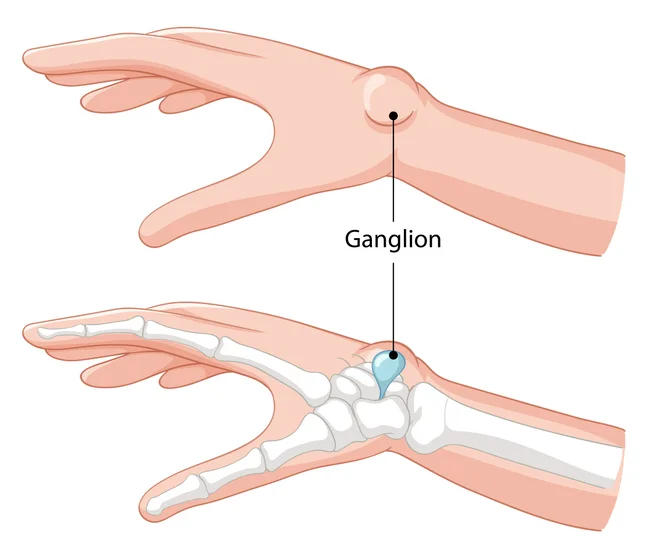
Ganglion cysts are common, noncancerous lumps that typically develop along the joints or tendons of the wrist or hand. While they are usually harmless, they can sometimes cause discomfort, pain, or restrict movement. This article serves as A Complete Guide to ganglion cyst treatment and Recovery, helping you understand the condition, available treatments, and what to expect during healing.
What Is a Ganglion Cyst?
A ganglion cyst is a fluid-filled sac that forms beneath the skin, often appearing as a smooth, round lump. These cysts are most commonly found on the wrist but can also occur on the fingers, ankles, or feet. The fluid inside resembles the thick fluid that lubricates joints and tendons.
Although the exact cause is not always clear, ganglion cysts may develop due to joint or tendon irritation.
Common Symptoms of Ganglion Cysts
Many ganglion cysts are painless, but symptoms can vary depending on their size and location. Common signs include:
- A visible lump under the skin
- Mild to moderate pain, especially with movement
- Tingling or numbness if the cyst presses on a nerve
- Reduced range of motion in nearby joints
Understanding these symptoms is essential when exploring A Complete Guide to Ganglion Cyst Treatment and Recovery, as they often determine the appropriate treatment approach.
Diagnosis and Evaluation
A healthcare provider typically diagnoses a ganglion cyst through a physical examination. In some cases, imaging tests such as ultrasound or MRI scans may be used to confirm the diagnosis and rule out other conditions.
Doctors may also use a technique called transillumination, where a light is shone through the lump to determine if it is fluid-filled.
Treatment Options for Ganglion Cysts
1. Observation and Monitoring
If the cyst is painless and not causing any issues, your doctor may recommend simply monitoring it. Many ganglion cysts disappear on their own without treatment.
2. Immobilization
Limiting movement with a brace or splint can help reduce the size of the cyst and relieve symptoms. However, prolonged immobilization is usually not recommended due to muscle stiffness.
3. Aspiration
Aspiration involves draining the fluid from the cyst using a needle. This is a quick and minimally invasive procedure, but cysts may return after treatment.
4. Surgical Removal
If the cyst is painful, persistent, or affecting daily activities, surgery may be recommended. This involves removing the cyst along with part of the joint capsule or tendon sheath to reduce recurrence.
Exploring these options is a key part of A Complete Guide to Ganglion Cyst Treatment and Recovery, as treatment varies based on individual needs.
Recovery After Treatment
Post-Aspiration Recovery
Recovery after aspiration is usually quick. Patients may experience mild soreness for a few days but can resume normal activities shortly after.
Post-Surgical Recovery
Surgical recovery may take a few weeks. Key aspects include:
- Keeping the surgical site clean and dry
- Gradual return to normal activities
- Physical therapy exercises to restore strength and mobility
Swelling and stiffness are common initially but improve over time.
Tips for a Smooth Recovery
To ensure effective healing, consider the following:
- Follow your doctor’s aftercare instructions carefully
- Avoid repetitive strain on the affected area
- Perform recommended hand or joint exercises
- Attend follow-up appointments
These steps are essential in achieving the best outcomes outlined in A Complete Guide to Ganglion Cyst Treatment and Recovery.
When to Seek Medical Attention
You should consult a healthcare professional if:
- The cyst becomes painful or grows rapidly
- You experience numbness or weakness
- The cyst interferes with daily activities
Early evaluation can help prevent complications and guide appropriate treatment.
Conclusion
Ganglion cysts are generally harmless but can sometimes cause discomfort or functional limitations. Understanding your treatment options and recovery process is crucial for managing the condition effectively. This A Complete Guide to Ganglion Cyst Treatment and Recovery provides the knowledge needed to make informed decisions and achieve a smooth recovery.
