


Digital gambling platforms have expanded rapidly in recent years, becoming easily accessible through mobile phones and personal computers. Among these platforms, situs togel has gained attention because of its constant availability, fast-paced interaction, and promise of instant rewards. While many people view this activity as harmless entertainment, growing exposure can carry significant psychological risks and lead to notable behavioral changes. Understanding these effects is essential for individuals, families, and communities who want to reduce harm and promote healthier decision-making.
Understanding Exposure to Online Gambling Platforms
Exposure to online gambling sites does not always begin with intentional participation. Advertisements, social media content, peer recommendations, and pop-up links can introduce individuals to these platforms. Over time, repeated exposure can normalize gambling behavior and lower psychological barriers that once discouraged risky financial decisions.
Unlike traditional gambling venues, digital platforms operate continuously. There is no closing time, no physical distance, and no clear social boundary that signals when to stop. This environment can subtly shape attitudes toward money, risk, and reward, especially for younger users or individuals already vulnerable to impulsive behavior.
Psychological Risks Associated with Prolonged ExposureIncreased Risk of Addiction
One of the most documented psychological risks is the development of compulsive gambling behavior. Continuous exposure trains the brain to associate excitement and emotional relief with betting activities. Each small win reinforces this pattern, while losses encourage repeated attempts to recover money. This cycle can gradually override rational judgment.
The brain’s reward system becomes highly sensitive to gambling cues. Notifications, flashing visuals, and near-miss outcomes all stimulate dopamine release. Over time, individuals may need to gamble more frequently or with higher stakes to achieve the same emotional response.
Emotional Instability and Mood Changes
Prolonged engagement with gambling sites can lead to emotional volatility. Users may experience intense excitement during play followed by frustration, guilt, or sadness after losses. These emotional swings can spill into daily life, affecting relationships, work performance, and self-esteem.
Anxiety and irritability are also common. The constant anticipation of results keeps the mind in a heightened state of alertness. When gambling becomes a primary coping mechanism, individuals may struggle to regulate emotions without it.
Distorted Perception of Control
Many gambling platforms encourage the illusion of control. Features such as pattern analysis, prediction tools, or personalized suggestions can make users believe outcomes are influenced by skill rather than chance. This cognitive distortion increases risk-taking behavior and makes it harder to disengage.
As exposure increases, users may begin to overestimate their ability to predict outcomes. This false confidence often leads to larger bets and more frequent participation, deepening psychological dependence.
Behavioral Changes Linked to Gambling Site EngagementFinancial Decision-Making Shifts
One of the earliest behavioral changes involves money management. Individuals exposed to gambling sites may start allocating funds originally meant for necessities toward betting activities. Over time, financial priorities can shift dramatically.
This change is often subtle at first. Small deposits feel insignificant, but repeated losses accumulate. Some individuals may borrow money, delay payments, or hide expenses to continue gambling. These behaviors signal a deeper psychological attachment to the activity.
Social Withdrawal and Isolation
As gambling becomes more central, social behavior may change. Time once spent with family or friends may be replaced by solitary screen engagement. Secrecy often increases, especially when losses occur or guilt emerges.
Social withdrawal reinforces the cycle. Reduced external feedback means fewer opportunities for others to notice harmful patterns. Isolation can also intensify emotional reliance on gambling as a source of stimulation or escape.
Reduced Attention and Productivity
Constant engagement with gambling platforms can affect concentration and motivation. Thoughts about upcoming draws or recovering losses may dominate attention during work or study hours. This mental preoccupation reduces productivity and increases errors.
Sleep patterns may also be disrupted. Late-night gambling sessions or anxiety about outcomes can interfere with rest, further impairing cognitive function and emotional regulation.
Vulnerable Populations and Risk Factors
Certain individuals face higher psychological risks from exposure. Adolescents and young adults are particularly vulnerable due to ongoing brain development and higher sensitivity to rewards. People experiencing stress, loneliness, or financial pressure may also be more susceptible.
Cultural normalization of gambling plays a role as well. When gambling is portrayed as a common or respected activity, individuals may underestimate its risks. Exposure to togel online through community networks can further reinforce acceptance and reduce perceived harm.
Long-Term Psychological Consequences
If left unaddressed, behavioral changes can solidify into long-term psychological challenges. Chronic stress from financial strain and emotional turmoil increases the risk of depression and anxiety disorders. Self-blame and shame may erode confidence and identity.
In severe cases, individuals may experience a loss of purpose or control over their lives. Gambling shifts from entertainment to obligation, creating a sense of entrapment. Recovery becomes more difficult as habits and neural pathways strengthen over time.
Prevention and Awareness Strategies
Education is a powerful protective factor. Understanding how gambling platforms are designed to influence behavior helps users make more informed choices. Awareness campaigns can highlight psychological risks without judgment, encouraging early self-reflection.
Setting personal boundaries is also essential. Time limits, spending caps, and regular breaks reduce the intensity of exposure. Open conversations within families and communities create support systems that counter isolation and secrecy.
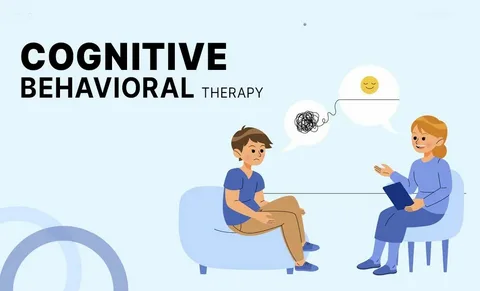
Professional support should be considered when behavioral changes become noticeable. Counseling and cognitive behavioral approaches can help individuals regain control and develop healthier coping strategies.
ConclusionReflecting on Psychological Impact
Exposure to situs togel and similar platforms carries more than financial risk. The psychological effects can reshape emotions, thinking patterns, and daily behavior in ways that are not always immediately visible. Recognizing these changes early allows individuals to intervene before habits become deeply ingrained.
Building Healthier Digital Habits
A balanced relationship with digital entertainment requires awareness, self-regulation, and social support. By understanding the psychological risks and behavioral shifts associated with gambling exposure, individuals and communities can promote healthier choices, protect mental well-being, and reduce long-term harm.
