


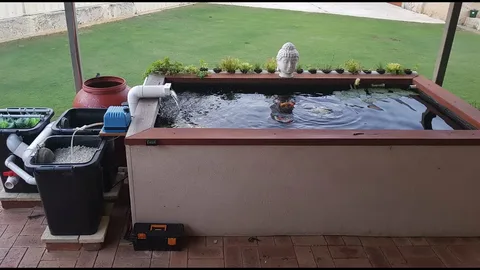
The Evolution Aqua Nexus is one of the most popular and reliable pond filtration systems available for koi and garden ponds. Known for its innovative design and efficient performance, the Nexus filter combines mechanical and biological filtration in a single unit. This guide provides an overview of how the Nexus works, how to choose the right model, and how to maintain it effectively to ensure long-term pond health.
Understanding How the Nexus Filter Works
The Nexus filter uses a two-stage filtration process. Water first enters the outer chamber, where mechanical filtration captures solid waste and debris. This prevents uneaten food and fish waste from breaking down in the pond. The water then flows into the inner chamber, which contains Evolution Aqua’s K1 moving bed media. The constantly moving media supports beneficial bacteria that convert harmful ammonia and nitrite into less toxic nitrate. This biological process is essential for maintaining safe water conditions for koi and other pond fish.
Choosing the Right Nexus Model
Selecting the correct Nexus model depends on pond size, fish stock levels, and flow rate. Evolution Aqua offers different Nexus sizes to suit a range of pond volumes, from moderate garden ponds to heavily stocked koi ponds. It’s important to consider not only the pond’s volume but also the number and size of fish when choosing a model. Oversizing the filter is often recommended, as it allows for better filtration performance and future fish growth.
Installation Tips for Best Performance
The Nexus filter can be installed in either gravity-fed or pump-fed systems, offering flexibility in pond design. Gravity-fed setups are commonly preferred for koi ponds, as they provide stable flow rates and efficient waste removal. Correct positioning is crucial—the filter must be level and installed at the appropriate height relative to the pond’s water level. Adequate aeration should be provided to the biological chamber to keep the K1 media in constant motion and maximise bacterial efficiency.
Maintenance and Cleaning Guide
One of the main advantages of the Nexus filter is its ease of maintenance. The mechanical section should be cleaned regularly to remove collected waste, while the biological chamber requires minimal intervention. It’s important not to over-clean the K1 media, as this can disrupt beneficial bacteria. Regular checks of valves, pipework, and air pumps help ensure the system continues to operate efficiently.
Enhancing Performance with Additional Equipment
To achieve the best results, the Nexus filter can be paired with UV clarifiers, air pumps, and pre-filters such as sieves or drum filters. These additions reduce the load on the Nexus, improve water clarity, and enhance overall filtration performance. Many koi keepers use the Nexus as part of a complete, well-balanced filtration system.
Conclusion
This Evolution Aqua Nexus Guide highlights why the Nexus remains one of the most trusted pond filters for koi keepers. With its effective two-stage filtration, flexible installation options, and simple maintenance, the Nexus provides reliable water quality and long-term performance. When properly sized, installed, and maintained, the Evolution Aqua Nexus filter plays a vital role in keeping koi ponds clear, healthy, and stable.
